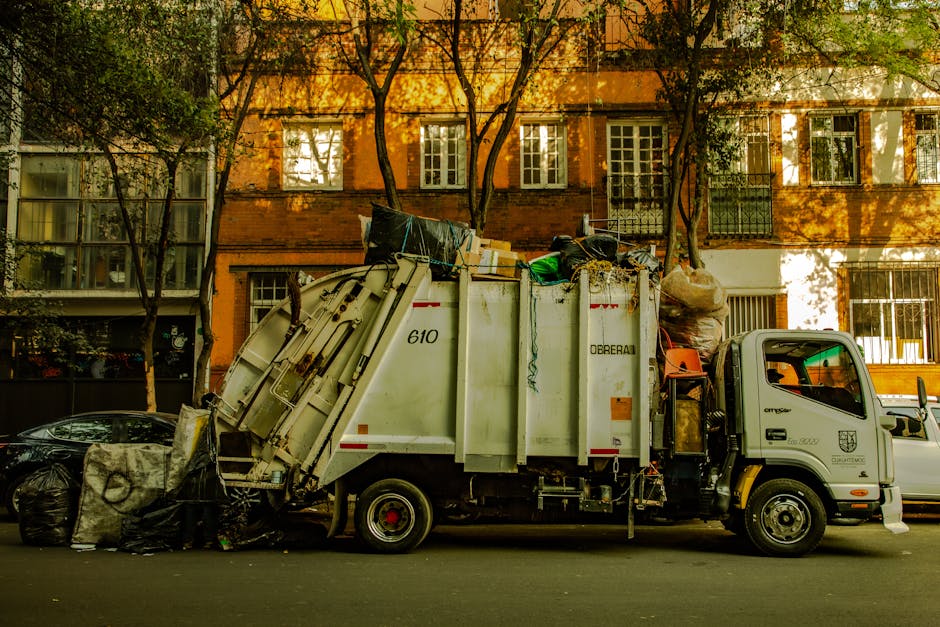
Waste Disposal Laws for Hampton Wick Removals Explained
Posted on 29/07/2026
If you are planning a move in Hampton Wick, waste can become the awkward bit nobody quite budgets for. Old furniture, broken appliances, box clutter, garden waste, leftover paint tins, bags of mixed rubbish from a clear-out - it all has to go somewhere, and not just anywhere. This guide to Waste Disposal Laws for Hampton Wick Removals Explained breaks down the practical side of staying legal, avoiding fines, and keeping your move calm rather than chaotic.
Truth be told, most problems happen when people assume a removal van can simply take "everything" and deal with it later. Sometimes it can. Sometimes it cannot. The rules around duty of care, controlled waste, recycling, and fly-tipping sit behind the scenes, and if you are moving from a flat, a family home, or even a small office, those rules matter. Let's make them simple.
Below, you will find the essentials in plain English: what the laws mean, how compliant disposal usually works, where people go wrong, and what to check before the van arrives. If you want to pair smart disposal with an organised move, it also helps to read our advice on cutting clutter before moving and the practical side of bulky waste pickup in Hampton Wick.

Why Waste Disposal Laws for Hampton Wick Removals Explained Matters
Waste disposal is not just a tidying-up issue. In the UK, once you remove unwanted items during a move, you are responsible for making sure they are handled lawfully. That can mean using licensed carriers, sorting recyclable material, keeping certain items separate, and making sure nothing ends up dumped in the wrong place. If you hand waste to the wrong person, you can still end up carrying the blame. That is the part people often miss.
In Hampton Wick, that matters even more because moves often involve tight schedules, shared entrances, narrow roads, parking pressure, and the kind of last-minute decisions that happen when boxes are already stacked by the door. A rushed approach can create a simple legal problem out of an ordinary moving day. A good plan keeps the process tidy, traceable, and far less stressful.
There is also a local reality here. Many removals include a mix of reusable items, recyclable packing materials, and genuine waste that should not be tipped into a van without thought. If you are clearing a loft, leaving a rental, or emptying an office, you may also need to think about landlord requirements, building rules, or disposal expectations for commercial items. A little planning goes a long way.
Key point: the law is there to stop waste being mishandled, fly-tipped, or dumped in a way that harms people and places. For movers, that means documentable, sensible disposal - not guesswork.
How Waste Disposal Laws for Hampton Wick Removals Explained Works
In practical terms, waste disposal laws during a move usually revolve around three things: what the waste is, who is carrying it, and where it ends up. Household rubbish, bulky furniture, electrical items, green waste, and trade-like clear-out waste can all follow different handling expectations. Some items can be reused, some recycled, and some need special disposal.
The phrase "duty of care" is important here. In plain English, it means you should take reasonable steps to make sure your waste goes to a legitimate place and is handled properly. If you hire help, you should feel comfortable asking how waste will be collected, separated, and removed. A professional team should be able to explain the process without sounding vague or defensive. If they cannot, that is a bit of a red flag.
For Hampton Wick removals, the cleanest setup usually looks like this:
- Sort items into keep, donate, recycle, and dispose.
- Separate anything that may need special handling, such as electronics or liquids.
- Confirm whether the removal team is carrying waste, transport-only, or full disposal support.
- Make sure the carrier is suitably authorised for the waste they take.
- Keep a simple record of what has been removed, especially for larger clear-outs or business moves.
If you are not sure how to divide items, start with the practical side of packing and decluttering first. Our guide on packing smart for house moves can help you stop useful items from being thrown out by accident. You might also find premove cleaning hacks for a polished departure useful if you are aiming for a spotless handover.
Key Benefits and Practical Advantages
Following the rules is not just about avoiding trouble. It can actually make the move smoother, quicker, and cheaper in the long run. People sometimes assume compliance adds complexity, but in practice it often removes it. Fewer surprises. Fewer awkward decisions. Less "we'll sort that later" energy, which, let's face it, rarely works out well on moving day.
What you gain by doing it properly
- Lower risk of fines or complaints caused by improper dumping or incorrect waste transfer.
- Cleaner moving day logistics because everyone knows what stays, what goes, and what gets recycled.
- Better reuse and recycling outcomes for furniture, boxes, textiles, and appliances.
- Less stress during end-of-tenancy or office handovers when the property must be left tidy.
- More control over costs since you are not paying for avoidable re-handling later.
There is also a very practical benefit that gets overlooked: compliant waste handling protects your time. Instead of chasing skip access, separate contractors, and last-minute disposal options, you can build waste removal into the moving plan from the start. If you are dealing with large items, our article on heavy lifting made simple is a useful companion read, especially where awkward furniture is involved.
Who This Is For and When It Makes Sense
This topic is relevant to almost anyone moving in Hampton Wick, but some people need it more than others.
- Home movers clearing broken furniture, old boxes, unwanted white goods, and loft clutter.
- Renters who need to leave a property clean and avoid deposit disputes.
- Landlords handling end-of-tenancy clearances or abandoned belongings.
- Students who accumulate more packaging, small furniture, and forgotten items than they expected.
- Businesses relocating office equipment, paperwork, old chairs, and redundant stock.
- Anyone using a man and van or removal service and wanting to be sure the disposal side is lawful.
This is also worth reading if you are juggling a move with storage. Items that do not need to be binned right away may be better placed in storage in Hampton Wick while you decide what to keep. That choice alone can save you from throwing away something useful in a rush.
In our experience, the people who benefit most are the ones who are not trying to do everything at 7.30 on a Friday evening. If your move has that slightly fraught feeling already - boxes everywhere, one missing kettle, someone asking where the bin bags went - this section is for you.
Step-by-Step Guidance
Here is a practical way to stay on the right side of waste rules without turning the move into a project management exam.
1. Walk through the property room by room
Start with the obvious spaces first: kitchen, loft, garage, spare room, hallway cupboards. Those are usually where the surprising stuff hides. Old chargers. Half-empty paint tubs. A lamp you forgot about. The kind of thing that looks harmless until it is sitting in a pile by the front door.
2. Separate reusable items from true waste
A lot of what people call "rubbish" can actually be reused or donated. Solid furniture, decent kitchenware, clean textiles, and functional appliances may be worth keeping in circulation. This matters because waste law and sustainability are linked in practice, even if people talk about them separately.
3. Identify special items early
Some items need extra care. Fridges and freezers, TVs, monitors, paint, chemicals, and certain batteries should not be lumped in with general rubbish. If you are unsure about a bulky appliance, our guide on storing unused freezers safely may help you decide whether the item should be stored, reused, or disposed of later.
4. Ask the remover what they can legally take
Do not assume every removal firm provides waste disposal as standard. Some provide transport only. Some will move and recycle selected items. Others can handle bulky waste as part of a broader move. Ask directly and early. The answer should be clear, not fuzzy.
5. Keep waste separated on the day
As the move unfolds, keep recyclable card, reusable items, and disposal piles physically separate. That one habit makes the final sweep much easier. It also reduces the chance of something being taken away by mistake. You would be surprised how quickly a charger cable can vanish into a general waste bag.
6. Confirm the final destination of the waste
If a team is carrying away unwanted items, they should be able to explain where they are going. You do not need a lecture. Just enough confidence to know things are being handled properly.
Expert Tips for Better Results
Here are the small things that tend to make a big difference.
- Plan waste before the packing starts. If you leave it until the final day, everything looks like rubbish and nothing gets sorted properly.
- Keep one "maybe" box. Items you are unsure about can sit there for a final decision instead of being thrown out in a panic.
- Photograph valuable reusable items. This helps if you want to donate, sell, or store them.
- Protect exits and stairwells. Rubbish bags, broken cardboard, and loose screws become trip hazards very quickly.
- Be especially careful with liquids and sharp objects. A leaking bottle in the back of a van is nobody's idea of progress.
Also, speak up if something feels off. If the waste plan sounds casual in a way that makes you uneasy, pause and ask another question. That is not being difficult; that is being sensible. A moving day already has enough moving parts.
If your move is happening in a busy street or tight access spot, planning waste collection can also help keep loading time under control. For example, our local guide to avoiding parking and permit fines in Hampton Wick is handy when van access is already tricky.
Common Mistakes to Avoid
Most waste-related problems during removals come from a handful of predictable mistakes. The good news? They are easy enough to avoid once you know them.
- Assuming all waste can go in one load. It cannot. Not safely, and not always legally.
- Using an unverified carrier. If waste is handed to the wrong person, the responsibility may come back to you.
- Mixing hazardous items with general rubbish. This is especially risky with batteries, chemicals, and broken electricals.
- Leaving sorting until the van is outside. That is how good items get thrown out and awkward items get hidden in the wrong pile.
- Forgetting tenancy or building rules. Some properties are surprisingly strict about how and when waste can be left out.
- Ignoring bulky item planning. Sofas, mattresses, and appliances often need a separate approach.
We have seen plenty of moves where the waste issue turns out to be the thing that creates tension between household members. One person thinks the old chair is still useful. Another thinks it should have left years ago. It happens. So, try to settle the "keep or dump" questions before the clock starts ticking.
Tools, Resources and Recommendations
You do not need a truckload of specialist kit to manage waste properly. What you do need is a decent system and a few practical items.
- Strong bin bags and boxes for separating mixed small waste from recyclable card and packaging.
- Labels or marker pens for marking keep, recycle, donate, and dispose piles.
- Gloves for sharp edges, dusty loft items, or anything that has been in storage too long.
- Basic tape and wrap to secure loose parts, cables, and small fittings.
- Contact details for your chosen removal provider so you can confirm what is accepted.
For the broader moving process, our pages on recycling and sustainability and packing and boxes in Hampton Wick fit neatly alongside this topic. They help you reduce waste at the source rather than dealing with it all at the end, which is usually the saner route.
If you are working through a larger property, it may also help to think about move planning in stages. For example, our pieces on keeping a house move calm and checking removal quotes properly can make the commercial side feel a lot less slippery.
Law, Compliance, Standards, or Best Practice
Here we need to be careful and practical. Waste law can change, and specific obligations depend on what you are moving, whether you are disposing as a household or business, and who is physically transporting the waste. So this is not legal advice; it is a plain-English overview of the normal standards people should expect in the UK.
Best-practice expectations usually include:
- Keeping waste with a responsible and identifiable carrier.
- Not leaving waste on public land without proper arrangement.
- Separating recyclable material where possible.
- Avoiding disposal of prohibited or controlled items with general rubbish.
- Maintaining a simple record of larger clear-outs or business waste transfers.
If you are moving household waste, the big point is simple: do not hand items to someone if you are not comfortable they can dispose of them properly. If you are moving office waste, the standard should be even tighter because paperwork, IT equipment, and furniture can carry both data and disposal concerns. That is where trusted process matters, not just muscle.
Professional movers should also have their own internal health and safety controls, which is why it makes sense to check the provider's health and safety policy and insurance and safety information before booking. It sounds a bit formal, yes, but it's the sort of detail that saves arguments later.
Options, Methods, or Comparison Table
There is no single best disposal route for every move. The right option depends on volume, item type, urgency, and whether you want the simplest route or the greenest one. Here is a straight comparison.
| Method | Best for | Pros | Watch-outs |
|---|---|---|---|
| Reuse or donate | Good-quality furniture, appliances, household goods | Reduces waste, often low cost, practical and ethical | Needs time, condition checks, and transport planning |
| Recycling | Cardboard, metals, some electronics, separated materials | Environmentally sensible, usually straightforward | Must be sorted correctly; not everything is recyclable in the same way |
| Removal-firm disposal support | Mixed move waste, bulky items, time-sensitive clear-outs | Convenient, coordinated with the move, less hassle | Check exactly what is included and whether the carrier is authorised |
| Skip hire | Large volumes from house clearances or refurb-style moves | Good capacity, simple once in place | Needs space, permits may be relevant, and sorting still matters |
| Household waste facilities / council collection routes | Smaller loads or specific item categories | Structured, often suitable for household clear-outs | Can take planning, opening times, and vehicle logistics |
For a lot of Hampton Wick residents, the most practical approach is a mix: donate what can be reused, recycle the easy stuff, and use a trusted removals team for the heavy or awkward items. Simple. Not always glamorous, but simple works.
Case Study or Real-World Example
A typical example: a family moving from a terraced home near the station had accumulated a loft full of old toys, broken shelving, two damaged chairs, a small freezer, and enough cardboard to build a very ambitious fort. They originally wanted everything taken in one go. Once they separated items into keep, recycle, and dispose, the pile shrank quite a lot.
The freezer was kept for a later decision, the chairs were set aside for disposal, and the cardboard was flattened and grouped for recycling. The movers handled the heavy lifting, but the family had already done the hard thinking beforehand. The whole thing felt calmer. Faster too. There was less standing around on the pavement, wondering what to do with a mysterious bag of cables. That sort of thing matters on a wet afternoon when the light is already going.
That example also shows the value of local planning. If you are dealing with stairs, awkward access, or limited parking, you may want to read solutions for moving from flats with no lift and Hampton Wick High Street route tips. Small details, but they can shape the whole day.
Practical Checklist
Use this as a quick pre-move check. If you can tick most of these off, you are in decent shape.
- Have you sorted items into keep, donate, recycle, and dispose?
- Have you identified anything electrical, hazardous, or unusually bulky?
- Do you know whether your removal team handles waste or only transport?
- Have you asked what happens to unwanted items after collection?
- Are recyclable boxes, paper, and packing materials separated?
- Have you checked any building, landlord, or access rules?
- Are sharp, messy, or leaking items sealed safely?
- Have you arranged storage for items you are not ready to decide on?
- Do you have a simple record of what is being removed?
- Are you clear on the difference between reusable goods and actual waste?
If you want to get ahead before the van arrives, it may help to review pre-move cleaning hacks and practical bed and mattress moving ideas so bulky items do not become a last-minute headache.
Conclusion
Waste disposal laws may not be the most exciting part of moving, but they are one of the parts most likely to cause avoidable stress if ignored. In Hampton Wick, where access, parking, and timing already ask enough of you, the sensible move is to plan disposal early, keep items sorted, and use reputable help when you need it. That way you protect your time, your wallet, and your peace of mind.
The core lesson is straightforward: the less you leave to guesswork, the smoother everything becomes. Separate what can be reused, ask clear questions about what your removals team can carry, and do not treat waste as an afterthought. It is part of the move, full stop.
If you are comparing moving help and want a team that understands both logistics and local pressure points, explore the support available across Hampton Wick and make the disposal side of your move feel much less heavy. Get a free quote today and see how much you can save.