Moving from Flats with No Lift in Hampton Wick: Solutions
Posted on 18/06/2026
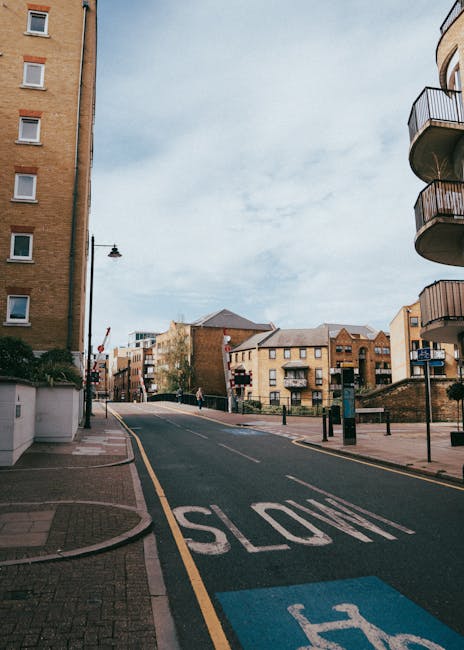
Moving out of a flat with no lift can feel like a test of patience before the day has even started. In Hampton Wick, where you may be dealing with period buildings, tight stairwells, awkward parking, and the occasional narrow landing, the challenge is rarely just carrying boxes. It is planning the whole move so it stays safe, calm, and efficient. That is what this guide is for.
If you are trying to work out the best solutions for a stair-heavy move, you are in the right place. We will look at what actually helps, what slows people down, how to avoid damage, and when it makes sense to bring in specialist support. And yes, there are ways to make it all much less painful than it sounds.
Before we get into the detail, one small truth: a no-lift flat move is not automatically difficult, but it does need a smarter approach. The right preparation can save time, reduce strain, and stop that horrible moment when a wardrobe meets a stair corner. Nobody wants that.
Table of Contents
- Why Moving from Flats with No Lift in Hampton Wick: Solutions Matters
- How Moving from Flats with No Lift in Hampton Wick: Solutions Works
- Key Benefits and Practical Advantages
- Who This Is For and When It Makes Sense
- Step-by-Step Guidance
- Expert Tips for Better Results
- Common Mistakes to Avoid
- Tools, Resources and Recommendations
- Law, Compliance, Standards, or Best Practice
- Options, Methods, or Comparison Table
- Case Study or Real-World Example
- Practical Checklist
- Conclusion
- Frequently Asked Questions
Why Moving from Flats with No Lift in Hampton Wick: Solutions Matters
No-lift flats create a different kind of moving day. The issue is not simply the extra stairs; it is the combination of effort, timing, access, and risk. A second-floor walk-up might be fine for a few bags, but once sofas, mattresses, white goods, or heavy boxes are involved, every step matters.
In Hampton Wick, this becomes even more relevant because local streets and property layouts can be a bit unforgiving. You may have limited waiting space outside, a shared entrance, or a stairwell that turns sharply just where you need it not to. Add in neighbours, time restrictions, and a removal van that cannot sit around forever, and you have a move that needs proper choreography.
That is why people search for practical solutions rather than generic moving advice. They need a way to get belongings down safely, without exhausting everyone involved. A good plan also helps avoid damage to walls, banisters, furniture edges, and your own back. Let's be honest, backs are not as replaceable as boxes.
The real value here is control. When you know how to stage items, which pieces need dismantling, and which ones need extra manpower or specialist handling, the whole move feels less chaotic. You stop reacting and start directing the day.
For many residents, especially tenants leaving a flat or moving between smaller homes, it is not about luxury. It is about getting the job done cleanly and without turning the stairwell into a battlefield.
How Moving from Flats with No Lift in Hampton Wick: Solutions Works
The most effective no-lift moving solution is usually a blend of preparation, physical technique, and logistics. In practice, that means breaking the move into manageable parts instead of trying to carry everything at once and hoping for the best. Hope is not a method, as you probably know.
The process usually begins with a property check. You look at staircase width, turning space, ceiling height, landing depth, front-door clearance, and whether the building has any access quirks. In some cases, the stairs are straightforward but narrow. In others, the issue is the bend halfway down. That one bend can decide whether a sofa goes through in one piece or needs to be partially dismantled.
Next comes load planning. Heavy furniture should be identified early, along with fragile items, awkward shapes, and anything that needs two people rather than one. This is where smart packing helps too. If the heaviest boxes are filled with books, they need to be smaller. If you have already sorted and reduced clutter, the move becomes easier almost immediately. A useful companion read on that point is cutting clutter before moving day.
On the day itself, items are moved in an order that matches the property layout and van loading plan. You want the heaviest, most awkward items to go first or last depending on access, so nobody is forced into repeated lifts or pointless repositioning. Short trips, clear routes, and good communication do most of the heavy lifting-well, alongside the people actually lifting things.
Specialist equipment may be used where appropriate. Think furniture blankets, straps, dollies, protective runners, and stair-friendly carrying methods. Not every move needs all of these, but the right tools can reduce pressure and protect both the item and the building.
For heavier furniture such as beds, wardrobes, or sofas, disassembly is often the secret weapon. If you want practical ideas for larger bedroom items, the guide on moving a bed and mattress more easily is a very useful companion.
Key Benefits and Practical Advantages
The biggest benefit is obvious: less strain. A properly managed no-lift move reduces the physical burden on everyone involved, which matters far more than people expect. Carrying one too many heavy items down stairs can make the rest of the day feel ten times longer.
Another advantage is lower damage risk. Stairwells are narrow by design, and furniture tends to catch corners at the worst possible moment. With proper planning, you protect walls, banisters, floors, and belongings. That saves money, but it also saves the awkward feeling of having to explain a scuffed stair wall to a landlord or managing agent.
Time efficiency is another quiet win. A move that is organised well often finishes faster than a move where people keep improvising. The van gets loaded in the right order, the route through the building is clear, and there are fewer stops to rethink what goes next. The rhythm of the day matters.
There is also a stress benefit. A flat move without a lift can feel emotionally bigger than the actual volume of items involved. People get tired, tempers rise, and silly mistakes happen. A sensible system gives you breathing room. If you are looking for calmer moving-day planning more broadly, this stress-reduction guide fits neatly with that mindset.
Finally, good planning can improve value for money. Even if you are paying for help, efficient loading and clear access usually mean less waiting around and fewer complications. That matters if you are comparing quotes or trying to keep the move within a sensible budget.
| Practical gain | Why it helps in a no-lift flat move | Typical impact |
|---|---|---|
| Better planning | Reduces stairway bottlenecks and last-minute decisions | Smoother move day |
| Item protection | Minimises knocks to furniture and walls | Less damage risk |
| Correct manpower | Matches the lift to the weight and shape of the item | Safer handling |
| Smart packing | Makes boxes easier to carry up and down stairs | Less fatigue |
Who This Is For and When It Makes Sense
This type of move is relevant to anyone leaving or entering a flat without lift access, but a few groups benefit especially.
- Tenants moving out of upper-floor flats who need to keep the move quick and tidy.
- Students carrying boxes, desks, small furniture, and everything else that somehow accumulates over a term. If that sounds familiar, the page on student removals in Hampton Wick may also be useful.
- Families dealing with mixed loads of toys, kitchenware, furniture, and awkward storage items.
- People with larger or heavier belongings such as wardrobes, sofas, or musical instruments.
- Anyone with limited time who needs the move completed in a controlled window.
It also makes sense whenever the property layout is awkward enough that doing it casually would be a poor idea. If you have ever looked at a staircase and thought, "Well, that is not ideal," then you already understand the point.
Some moves are small but difficult. Others are large but straightforward. The staircase can flip that balance completely. A tiny one-bed flat on the third floor may be far more demanding than a bigger home with good ground-floor access.
If you are deciding whether professional help is worth it, consider not just the number of items, but the shape of those items and the building access. A single piano, for example, changes the whole equation. For that kind of job, specialist handling is usually the sensible route, and the article on piano moving with skilled professionals shows why.
Step-by-Step Guidance
- Survey the flat and stair route. Measure larger items, note tight turns, and check where furniture may need to be tilted or dismantled.
- Sort everything into categories. Keep heavy, fragile, awkward, and everyday items separate so the load plan makes sense.
- Pack for carrying, not just storage. Boxes should be sturdy and not overfilled. If you need practical packing ideas, have a look at packing smarter for a house move.
- Dismantle large furniture in advance. Remove legs, shelves, and loose fittings where safe to do so.
- Protect the building. Use blankets, door guards, or floor protection where needed, especially in shared hallways.
- Plan the order of loading. Decide what should go into the van first so you do not waste time repacking the vehicle later.
- Keep the route clear. Put shoes, loose mats, and clutter out of the way. It sounds obvious, but on move day the obvious stuff gets missed surprisingly often.
- Use the right team size. Some pieces are fine with two people, while others need more support or specialist equipment.
- Do a final sweep. Check cupboards, top shelves, meter cupboards, and under beds. That one forgotten plug cable always appears after the van has gone, naturally.
A good step-by-step plan is not glamorous. It just works. And on a stair-heavy move, "works" is exactly what you want.
Expert Tips for Better Results
Start earlier than you think. Stairs make everything take longer. Even if you are fast, repeated carrying slows the day down. Build in time for breaks, repositioning, and that one item that refuses to fit through the stairwell until it is rotated two inches to the left.
Use smaller boxes for dense items. Books, crockery, and files become unmanageable very quickly if packed into oversized boxes. This is one of the simplest ways to make a no-lift move less punishing.
Think about grip and balance. Clean gloves, sturdy shoes, and proper lifting technique matter more than people expect. If you are curious about safe handling methods, the article on kinetic lifting techniques gives a good plain-English overview.
Protect corners before you move them. Wrap sharp furniture edges, secure loose doors, and tape drawers shut. It saves those annoying little knocks that somehow feel bigger than they are.
Use the building layout to your advantage. In some flats, it is easier to pivot items on the landing; in others, the stair angle means a vertical carry is safer. There is no one universal trick. You judge it in the moment.
Separate essentials from the rest. Keep documents, chargers, keys, medication, and a basic kettle box with you. That way the first evening in the new place does not turn into a scavenger hunt.
One practical tip that sounds almost too simple: label the top and two sides of every box. On stairs, visible labels save time because boxes are often stacked sideways or at odd angles during loading. Small detail. Big difference.
Common Mistakes to Avoid
The most common mistake is underestimating the building. People assume, often quite optimistically, that "it is only two flights of stairs." Then the sofa arrives at the landing and the optimism evaporates. Measure first. Always.
Another error is overpacking boxes. A box full of books may look neatly closed, but carrying it down multiple flights can be a miserable business. If the box flexes, the bottom can fail. That is not a moment you forget quickly.
It is also a mistake to move without a loading plan. If you are constantly asking, "What next?", the pace drops and fatigue rises. A rough sequence, even on paper, is enough to keep the day steady.
People sometimes forget about storage or temporary holding too. If you are not ready to move everything in one go, short-term storage can take pressure off the staircase and the schedule. The page on storage in Hampton Wick is a sensible reference point if you need that kind of flexibility.
And then there is the classic mistake of not asking for enough help. Truth be told, many difficult moves become difficult because one or two people try to do the job of four. That is when accidents happen. That is when the banister gets scuffed. That is when someone mutters a very British version of panic under their breath.
Last one: ignoring the route outside the flat. Parking, access, and van positioning matter just as much as the stairs themselves. The inside route might be fine, but if the loading point is awkward, the whole operation becomes harder than necessary.
Tools, Resources and Recommendations
You do not need a van full of specialist gear for every move, but a few items make a noticeable difference.
- Furniture blankets for protecting wood, fabric, and painted surfaces.
- Straps and tie-downs to stabilise heavy items during carrying and transit.
- Hand trucks or dollies where stairs and surfaces allow safe use.
- Gloves with a decent grip to improve control without making handling clumsy.
- Labels and markers for clear box identification.
- Floor runners or protective covers for shared hallways and delicate flooring.
- Basic tool kit for dismantling beds, shelves, and modular furniture.
For some moves, it is also worth reviewing a few nearby topics that affect the overall experience. If you want a more strategic approach to the day, heavy lifting made simple is helpful background. If you are weighing up support options, you may also find man with a van in Hampton Wick useful when thinking about flexible move support.
And if you are comparing providers, keep an eye on the quality of the quote breakdown, not just the headline number. A well-structured estimate is easier to trust than a vague price scribbled in the margins. The article on checking removal quotes in Hampton Wick is worth a look if that is where you are in the process.
For people who are still assembling the basics, the page on packing and boxes in Hampton Wick can help you get the materials side right before moving day sneaks up on you.
Law, Compliance, Standards, or Best Practice
For a flat move with no lift, the main compliance concerns are usually safety, access, and care for the property rather than any complicated legal issue. That said, good practice matters. A moving team should handle lifting in a way that reduces avoidable injury risk, protects the premises, and respects shared residential spaces.
In the UK, it is normal to take reasonable care when moving heavy items, especially in communal areas. That means not blocking exits, not damaging walls or handrails, and not leaving obstacles in stairwells or corridors. If a building has specific access instructions, those should be followed. Common sense goes a long way here, even if it sounds boring.
Insurance is another sensible consideration. If a move involves large or valuable furniture, you want to know what is covered and under what conditions. If anything is unclear, ask before the move rather than after a problem has occurred. The page on insurance and safety is relevant here.
For flat moves in general, reputable operators also tend to follow internal health and safety procedures, use suitable manual handling techniques, and be careful about environmental impacts where possible. That is especially important in shared buildings where other residents still need access.
Best practice is really the heart of this topic: lift sensibly, plan access properly, communicate clearly, and do not improvise with objects that are too big for the stairwell. Simple rules, but they save a lot of grief.
Options, Methods, or Comparison Table
There is no single perfect solution for every no-lift flat move. The right choice depends on how much you are moving, how heavy the items are, and how much time or help you have available.
| Method | Best for | Pros | Trade-offs |
|---|---|---|---|
| Do-it-yourself with friends | Small moves, lighter loads | Lower direct cost, flexible timing | More physical strain, more risk of damage |
| Man and van support | Medium-sized flat moves | Good balance of help and value | May still need you to be highly organised |
| Full removal service | Large or complex stair moves | More manpower, better coordination, less stress | Usually the higher-cost option |
| Hybrid approach | Moves with some tricky items | Flexible, cost-conscious, practical | Requires careful planning of who does what |
If your move is small and straightforward, a lighter-touch option may be enough. If you have a lot of stairs, bulky furniture, or a tight schedule, the more supported route often makes better sense. The building usually decides for you, to be fair.
Case Study or Real-World Example
Imagine a one-bedroom flat in Hampton Wick on the third floor, no lift, with a narrow staircase and a corner turn at the second landing. The resident has a bed frame, mattress, two bookcases, a small sofa, kitchen boxes, and a handful of fragile household items.
At first glance, it sounds manageable. And it is, if handled properly. The bed frame is dismantled the day before. The mattress is wrapped and kept flat. Books are repacked into smaller boxes. The sofa is measured against the stairwell before move day, which avoids the classic "we'll just try it and see" approach that causes trouble.
On the morning of the move, the hallway is cleared, the route is protected, and the van is positioned as close as possible to the exit. Heavy items are moved first while everyone is fresh. The lighter boxes go later. A short break is taken halfway through, because stairs are tiring and pretending otherwise is a bit daft.
The result? Fewer knocks, less shouting, less strain, and no need to force furniture through a space it was never meant to pass through. The resident finishes the day tired, yes, but not flattened. That is the difference good planning makes.
For a move like this, the practical winning combination is usually: dismantle early, pack intelligently, keep the route clear, and use the right level of help. Nothing magical. Just solid preparation.
Practical Checklist
- Measure large furniture before moving day.
- Check stair width, landings, and turning points.
- Confirm parking and loading access near the building.
- Decide which furniture should be dismantled.
- Pack books and dense items into small, strong boxes.
- Label boxes clearly on the top and sides.
- Protect floors, walls, and bannisters where needed.
- Keep essentials separate for easy access.
- Arrange help for heavier or awkward items.
- Review insurance and handling expectations in advance.
- Check cupboards, loft spaces, and under furniture before leaving.
- Allow extra time for stairs, breaks, and loading.
Expert summary: the best solution for moving from a flat with no lift in Hampton Wick is rarely about brute strength alone. It is about planning the route, reducing the load, using proper handling methods, and choosing the right level of support for the building and the belongings.
Get a free quote today and see how much you can save.
Conclusion
Moving from a flat with no lift in Hampton Wick does not have to become a miserable all-day slog. With the right preparation, it becomes a structured job: one with clear steps, fewer surprises, and a much lower chance of damage or injury. That is the real solution.
Whether you are handling a small student move, a family flat, or a more complicated furniture-heavy departure, the principle stays the same. Plan the route. Pack sensibly. Protect the building. Use the right help where needed. Simple, really, though not always easy.
And if the staircase is making you dread the move, take heart. Most of the stress comes from not knowing what to expect. Once you know the shape of the challenge, it becomes a lot more manageable. One step at a time. Literally.