KT1 Riverside Moves: Narrow Roads and Loading Advice
Posted on 02/06/2026
If you are planning a move around KT1 Riverside, the roads can be charming, but they are not always kind to moving vans. Tight corners, parked cars, short loading windows, and awkward access points can turn a simple job into a slow one. That is exactly why KT1 Riverside Moves: Narrow Roads and Loading Advice matters. With the right preparation, you can protect your belongings, avoid unnecessary delays, and make the whole day feel far less chaotic. Truth be told, a smooth move in a riverside area often comes down to planning the first 20 minutes properly.
This guide explains how narrow-road moves work in practice, what to check before the van arrives, how to load more efficiently, and when to choose a removal team with the right vehicle and local know-how. If you are also tackling boxes, furniture disassembly, or storage, you may find our guides on packing smarter for moving day, cutting clutter before the move, and packing and boxes support in Hampton Wick especially useful.
Why KT1 Riverside Moves: Narrow Roads and Loading Advice Matters
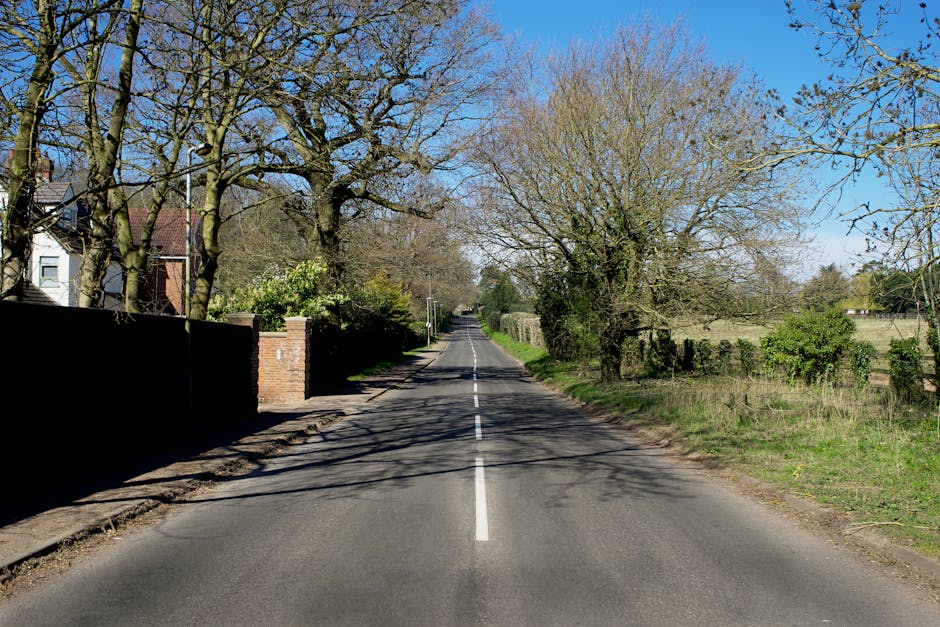
KT1 Riverside includes streets where space is shared between residents, visitors, cyclists, delivery vehicles, and the occasional double-parked car that seems to have settled in for the day. In those conditions, loading is not just about carrying boxes from A to B. It is about timing, access, vehicle choice, and a bit of patience. Narrow roads change the whole rhythm of a move.
For a house, flat, or office relocation, the difference between a standard loading plan and a well-thought-out access plan can be dramatic. A van that is too large may block traffic or struggle to turn. A van that is too small may require extra journeys. A poorly packed load can lead to repeated reshuffling on the pavement. Nobody wants that. Especially not when the kettle is already packed away somewhere in a box labelled "kitchen misc".
The practical value here is simple: good loading advice reduces stress, protects property, and helps keep the move on schedule. That matters whether you are moving a compact flat, a family home, or a few large items that need careful handling. For bigger and more complex jobs, our house removals service in Hampton Wick and flat removals support can be a better fit than trying to manage everything alone.
Expert summary: In narrow-riverside moves, access planning is often more valuable than speed. If the van can load safely and legally, the rest of the day tends to fall into place much more smoothly.
How KT1 Riverside Moves: Narrow Roads and Loading Advice Works
The process usually starts before the van even arrives. A good plan looks at the road width, nearby parking, loading bay availability, building entry points, stairs, lift access, and whether items need to be carried a long way from the property to the vehicle. In some KT1 streets, just finding a sensible stopping point can be half the battle.
Once the access picture is clear, loading can be organised in a more efficient order. Heavy, robust items go in first. Fragile items, awkward shapes, and anything that needs a little extra care are secured afterwards. This is where a steady approach matters more than brute force. Our guide on safe lifting techniques and body mechanics is a helpful companion if you want to avoid strain on moving day.
In narrow-road environments, timing is often just as important as loading. Early starts can help you beat traffic and give you a little more room before the road gets busy. A late-afternoon move may be more awkward if residents have returned home and parking has tightened up. Small detail? Maybe. But it changes everything.
There is also the question of what is being moved. A sofa, mattress, freezer, or piano each requires different handling. For example, if you are moving a delicate lounge setup, this sofa storage advice can help if the item needs to be stored temporarily. Likewise, larger appliances benefit from proper prep, and our note on storing unused freezers correctly is worth a read if your move includes white goods.
Key Benefits and Practical Advantages
When narrow roads are factored into the move properly, you gain more than convenience. You gain control. That sounds obvious, but many moving problems begin with one assumption: that the van can simply arrive, park, and load without friction. In KT1 Riverside, that is not always the case.
- Less delay: Better access planning means fewer awkward pauses while a driver circles the block.
- Lower risk of damage: Shorter carrying distances and smoother loading reduce bumps, drops, and rushed handling.
- Less neighbour disruption: Thoughtful loading keeps pavements, gates, and shared spaces clearer.
- Better use of vehicle space: A well-packed van needs fewer trips and keeps items secure in transit.
- Less stress for you: You are not improvising under pressure while the clock ticks loudly in the background.
There is a quiet benefit too: better judgement. When the loading plan is calm and methodical, you are more likely to notice things that can otherwise get missed, like a box that is too heavy, a doorway with a tight angle, or a table that needs dismantling before it becomes a problem. For many customers, that is the real relief. Not perfection. Just fewer surprises.
If you want a broader picture of moving support options, our services overview and removal services page explain how different move types can be handled.
Who This Is For and When It Makes Sense
This kind of planning is useful for almost anyone moving in or around KT1 Riverside, but it becomes especially important in a few common situations.
- Flat movers: If you are in a top-floor flat, a converted building, or a property with limited access, loading needs real thought.
- Families moving house: More furniture, more boxes, more fragile things, more chances for the day to get away from you.
- Student movers: Smaller volumes can still be awkward if parking is tight or the street is busy. Our student removals support is built for that kind of move.
- Small businesses: Office equipment, files, and furniture often need quick, organised loading. See our office removals service for a more structured approach.
- One-off bulky item moves: Sofas, wardrobes, pianos, beds, and appliances are classic troublemakers in narrow access streets.
It also makes sense when you simply do not want to wing it. Let's face it, moving day already asks enough of you. If the route, parking, or building access feels awkward on paper, it will probably feel awkward in real life too.
In those cases, a local-style man and van service in Hampton Wick or a larger removal van option can be matched to the road conditions and the volume of items, which is usually the smarter move.
Step-by-Step Guidance
Here is a practical way to approach a KT1 Riverside move where narrow roads and loading space could cause problems. It is not fancy. It just works.
- Check access before move day. Walk the route from your front door to the street. Look for low walls, tight gates, steps, steep slopes, and anything that could slow down carrying.
- Measure the awkward bits. Doorways, lifts, stairwells, and the largest furniture pieces should all be checked. If a wardrobe will not clear the bend, you want to know now, not on the day.
- Identify where the van can stop. Even a short legal stopping area is useful if it keeps the load distance down. If no good space exists, plan for a longer carry and allow extra time.
- Sort items by loading priority. Heavy and stable items first, then medium-weight boxes, then fragile or awkward pieces. This avoids endless re-shuffling.
- Prepare special items separately. Mattresses, mirrors, appliances, artwork, and musical instruments may need covers or different positioning. For beds and large sleep setups, our bed and mattress moving guide is a practical reference.
- Label clearly and keep essentials aside. Keep keys, documents, chargers, medication, and a kettle box somewhere easy to reach. That first evening is much calmer when the basics are not buried.
- Load in a stable sequence. Use straps, blankets, and corner protection where needed. Don't let items drift. A slight slide in transit can create an ugly knock, and nobody wants that.
- Do a final walk-through. Check cupboards, loft spaces, under beds, and behind doors. People forget things in these places all the time. All the time.
If you are packing from scratch, our packing tips for moving house can help you streamline the process before the van even rolls up.
Expert Tips for Better Results
Experience tends to teach the same lesson in different ways: the move that feels easiest is usually the one that was prepared most carefully. Here are a few tips that make a noticeable difference in narrow-road moves.
- Use smaller box sizes for heavier items. A box that is too large becomes awkward fast. Books, plates, and tools are better split into manageable loads.
- Disassemble what you can. Bed frames, table legs, and shelving often move more safely in parts. It also makes tight corners less of a headache.
- Protect the loading path. A few seconds spent covering floors or using door protection can save a lot of fuss, especially in rented flats or shared buildings.
- Keep one person focused on access. In a narrow street, communication helps. Someone watching the route can spot a parking issue or a blocked entrance before it becomes a delay.
- Leave a buffer in your timing. Moving on a narrow street rarely runs exactly to the minute. A small buffer gives you breathing room if traffic, weather, or access gets awkward.
For people moving alone or with minimal help, this is where a bit of practical guidance pays off. Our article on making heavy lifting simpler when moving independently can help you judge what is realistic and what really needs a hand. Nobody gets a medal for lifting a sofa badly.
And if you are trying to keep the whole process from spilling into the rest of your week, the advice in how to achieve a peaceful house move is a sensible read the night before packing starts.
Common Mistakes to Avoid
The biggest mistakes in narrow-road loading are usually simple ones. That is the annoying part. They are not dramatic errors, just small choices that stack up.
- Assuming parking will "sort itself out". In KT1 Riverside, that can be optimistic at best.
- Overfilling boxes. Heavy boxes slow loading and are more likely to split or injure someone.
- Leaving fragile items until the end without protection. By then, everyone is tired and moving faster than they should.
- Not checking access for large furniture. A sofa that fits the room may still fail at the hallway.
- Using the wrong vehicle size. Too large can be awkward on a tight road; too small can mean extra runs.
- Skipping insurance or safety checks. A move is not the moment to improvise on risk management.
A common real-world example: a resident packs everything neatly, but the only parking spot is 40 metres away and the street is busy at school-run time. Suddenly the move is slower, heavier, and far more tiring. Not a disaster, just a stress amplifier. A bit of planning would have changed the day completely.
One more thing. Don't over-plan so hard that you freeze. There is such a thing as too much spreadsheet. Sometimes you just need a clear load order and a sensible van size.
Tools, Resources and Recommendations
Good tools do not make a move effortless, but they make it much safer and more organised. For narrow-road moves, the right kit often matters more than sheer manpower.
| Tool or Resource | Best Use | Why It Helps in KT1 Riverside |
|---|---|---|
| Furniture blankets | Protecting wood, leather, and painted surfaces | Reduces scuffs during tight turns and short carries |
| Ratchet straps | Securing loads inside the van | Prevents shifting on stop-start roads |
| Hand truck or sack trolley | Moving boxes and appliances | Saves time when the van cannot stop close to the entrance |
| Door protectors | Protecting frames in shared buildings | Useful when items need repeated manoeuvring |
| Clear labels and inventory sheets | Keeping track of room contents | Helps when items have to be loaded in stages |
| Local removal advice | Choosing the right setup for the road and property type | Useful when access is tight, or timing is sensitive |
For larger or more complicated jobs, it is worth looking at the broader support available through removal companies in Hampton Wick and the detailed options in removals Hampton Wick. If you are comparing prices and want to know what affects the quote, the page on pricing and quotes is a useful starting point.
For items that need storage before or after the move, our storage options in Hampton Wick can help bridge a timing gap without cramming everything into one rushed day.
Law, Compliance, Standards, or Best Practice
Moving day in the UK is not just about efficiency. There are sensible safety and compliance expectations too. In narrow residential streets, that means thinking about access, load security, manual handling, and local parking restrictions in a careful, practical way.
In everyday terms, best practice usually includes the following:
- Safe loading and unloading: Items should be carried, lifted, and stacked in a way that reduces injury risk and prevents damage.
- Considerate parking and access: Vehicles should not block emergency access or create avoidable hazards.
- Manual handling awareness: Heavy or awkward items should be handled using proper technique and suitable equipment.
- Insurance awareness: It is sensible to understand what cover is in place before items are loaded.
- Property care: Shared hallways, stairs, and entrances should be protected where necessary.
If you want to understand how a provider approaches these responsibilities, the site's health and safety policy and insurance and safety information are worth reviewing. They give a better sense of how careful moving work is managed in practice.
For a few households, access issues may also mean checking the terms of your building, landlord, or managing agent. Nothing dramatic, just a sensible look at the rules before a van turns up and everyone starts guessing.
Options, Methods, or Comparison Table
Not every move in KT1 Riverside needs the same approach. The right method depends on how narrow the road is, how far the carry is, what you are moving, and how much help you have on hand.
| Method | Best For | Pros | Trade-Offs |
|---|---|---|---|
| Self-managed move | Small loads, flexible timing | Budget-friendly, full control | More physical effort, more risk if access is tight |
| Man and van | Few rooms, flats, bulky items | Flexible, quicker to arrange, good for awkward streets | May need careful planning if the load is larger than expected |
| Full removals service | Whole-house or multi-room moves | More support, better coordination, usually less stress | Can be more structured and cost more than a smaller service |
| Split move with storage | Timing gaps, renovations, staged moves | Reduces pressure on moving day | Requires extra planning and an additional stop |
For a tighter riverside street, the man-and-van or smaller removal-van setup often makes the most practical sense. For heavier or more delicate furniture, though, a dedicated approach may be worth it. Our furniture removals page and piano removals service show how specialised items are usually handled.
Case Study or Real-World Example
Imagine a second-floor flat near the river with a narrow road outside and limited resident parking. The move includes a sofa, a bed frame, several boxes, a fridge freezer, and a small dining table. On paper, not huge. In real life, enough to create problems if access is not planned.
The sensible approach would be:
- Check the road in advance and identify the nearest safe stopping point.
- Confirm whether the largest items fit through the hall and stairwell.
- Disassemble the bed frame and remove table legs before the van arrives.
- Keep the fridge freezer upright as long as possible and prepare it properly.
- Load the sofa and bed components first, then boxes, then smaller items and loose essentials.
That kind of move usually goes best when one person is watching the access point while another keeps the load sequence moving. It sounds almost too simple, but it is the difference between a calm loading process and a mildly frantic one. And once the van pulls away, the street goes quiet again. There is a nice feeling in that.
For this sort of mixed household move, it can be helpful to pair planning advice with practical service support from man with a van in Hampton Wick or a fuller house removals package, depending on volume and access.
Practical Checklist
Use this before moving day if you are dealing with KT1 Riverside roads, limited loading space, or a tricky property layout.
- Confirm the property access route from door to road.
- Check for parking restrictions, residents' bays, or loading limitations.
- Measure bulky furniture and any tight turns.
- Disassemble items that will not move safely as one piece.
- Label boxes by room and fragility level.
- Pack a first-night bag with essentials.
- Protect floors, corners, and door frames where needed.
- Keep heavier boxes small and manageable.
- Arrange help for lifting, especially for awkward items.
- Review insurance, terms, and safety details before the move.
If your move includes items you do not need immediately, it may be worth considering a short-term storage plan rather than forcing everything into one day. That little buffer can save a lot of strain.
Conclusion
KT1 Riverside moves can be straightforward, but only when narrow-road realities are taken seriously from the start. Good loading advice, sensible vehicle choice, clear packing, and a realistic access plan all work together. None of it is complicated on its own. The skill is in bringing it together without rushing.
Whether you are moving a flat, a family home, or a single awkward item, the smartest approach is usually the calmest one. Check the route, pack with purpose, load in the right order, and leave room for the small delays that always seem to appear. That is what keeps a move manageable. Sometimes even pleasant, if you can believe that.
If you are still weighing up your options, reviewing the service details and getting a proper estimate is a sensible next step. A short conversation now can save a very long morning later.
Get a free quote today and see how much you can save.
And if the day feels a bit much, that is normal. A well-handled move should make life lighter, not heavier.