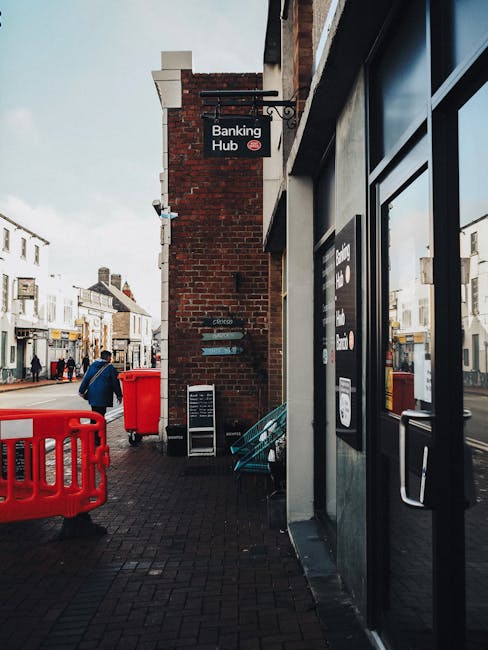
Hampton Wick High Street Removals: Best Routes & Tips
Posted on 27/04/2026
Hampton Wick High Street Removals: Best Routes & Tips
Moving along Hampton Wick High Street can look straightforward on a map, but anyone who has tried to time a van, squeeze past parked cars, or keep furniture safe in a busy local area knows there is more to it than loading boxes and setting off. The right route, the right vehicle, and the right preparation can save time, reduce stress, and prevent avoidable damage.
This guide on Hampton Wick High Street Removals: Best Routes & Tips is designed for anyone planning a local move, whether you are shifting a flat, moving family furniture, handling office items, or arranging a same-day collection. You will find practical route-planning advice, access tips, packing guidance, common mistakes to avoid, and a realistic look at what makes a smooth move in this part of Hampton Wick. It is the kind of advice that helps before the van arrives, not after something has already gone wrong.

Why Hampton Wick High Street Removals: Best Routes & Tips Matters
High street removals are different from a standard suburban pickup. Streets can be busier, parking can be tighter, pedestrians are closer to the action, and loading points may be limited by shopfronts, bays, kerbs, or traffic flow. In practice, that means your route is not just a matter of convenience; it affects timing, access, safety, and how much handling your belongings will need.
In Hampton Wick, a short local move can still become complicated if the van arrives at the wrong time or from the wrong direction. A narrow turning point, a blocked bay, or an awkward entrance can add 20 minutes when you least need it. That is why route planning, parking awareness, and building access checks matter as much as boxing up your belongings.
If you are booking professional help, this also affects which service is the best fit. For example, a full property move may suit house removals in Hampton Wick, while a smaller or more flexible job may be better handled by a man and van service. Choosing the right setup early often makes the whole day calmer.
There is also a simple truth that gets overlooked: the safest route is not always the shortest route. A slightly longer approach that avoids congestion, awkward turns, or repeated reversing can be the smarter choice for both time and damage prevention.
How Hampton Wick High Street Removals: Best Routes & Tips Works
A well-planned high street move usually follows a sequence rather than a scramble. First, the route is checked for access issues, then the vehicle size is matched to the location, then the loading and unloading points are decided, and finally the move itself is timed to reduce friction.
In a busy area like Hampton Wick, the route plan should answer a few basic questions:
- Where will the van stop without blocking traffic or forcing long carries?
- Is there turning space, or will the driver need to reverse carefully?
- Are there time restrictions, parking limits, or loading-only areas?
- Will larger furniture need disassembly before moving?
- Are stairs, lifts, or tight corridors involved at either end?
This is why many people choose a specialist local team rather than trying to improvise on the day. A good mover looks at the property layout, access points, and route options together. If you are moving from a flat above a shop or a property with restricted parking, a dedicated flat removals service may be more suitable than a general one-size-fits-all booking.
Route planning also includes the human side of the move. If you know which items must go first, which boxes need to stay upright, and which furniture pieces are the heaviest, the loading order becomes much easier. That kind of thinking helps avoid the classic problem of packing the van beautifully and then discovering the only fragile item is buried under the sofa cushions. Not ideal, to put it mildly.
For more on preparation and sequencing, it helps to read practical guides like packing smarter for moving day and staying calm during a house move. The best route is only part of the story; the packing and timing around it matter just as much.
Key Benefits and Practical Advantages
When the route and logistics are thought through properly, the benefits are immediate. You spend less time waiting around, your movers spend less time carrying items unnecessarily far, and the risk of bumps, scrapes, or rushed lifting drops sharply.
Here are the main advantages of getting Hampton Wick High Street removals right:
- Less stress on moving day because the van arrives with a clear plan.
- Better protection for furniture through fewer awkward lifts and turnarounds.
- Reduced chance of delays caused by parking confusion or congestion.
- Smarter use of labour because heavy items are moved efficiently.
- Improved safety for both the crew and anyone nearby on the street.
There is also a commercial benefit if you are a business owner. Office moves on or near a high street usually have a narrow window, and speed matters. For that reason, local companies often prefer structured office removals in Hampton Wick or a flexible removal service that can work around trading hours.
Another practical advantage is that good planning helps you make informed decisions about van size and service level. You may not need a large lorry if access is awkward and the load is small. Equally, underestimating the volume can create multiple trips, which is rarely the bargain it first appears to be.
| Planning Choice | What It Helps With | Typical Result |
|---|---|---|
| Pre-checking parking and access | Reduces last-minute confusion | Faster start and smoother loading |
| Choosing the right vehicle size | Prevents repeat journeys | Lower chance of delays |
| Disassembling large items in advance | Improves manoeuvrability | Less strain and lower damage risk |
| Labelling boxes by room | Speeds up unloading | Cleaner, more organised delivery |
Who This Is For and When It Makes Sense
This kind of planning is useful for more people than you might expect. It is not only for large family moves. In fact, many of the trickiest removals are smaller jobs where access is limited and the time window is tight.
It makes sense if you are:
- moving into or out of a flat near the high street;
- relocating furniture from a retail or office premises;
- moving student belongings and want a quick, affordable option;
- handling fragile or bulky items such as a piano, mattress, or wardrobe;
- needing a same-day or short-notice move;
- trying to reduce stress and keep the process efficient.
For smaller moves, a removal van in Hampton Wick or a man with a van can be a sensible fit. For larger or more structured jobs, removal companies in Hampton Wick may offer the wider support you need, especially when there are multiple rooms, awkward access points, or specialist items.
Students and renters also benefit from this advice. If you are moving out of a small property or shared accommodation, a focused student removals service can be more practical than booking something oversized. And if you need quick turnaround support, same-day removals may be the right option, provided availability aligns with your schedule.
Step-by-Step Guidance
The simplest way to avoid surprises is to break the job into stages. If you tackle route planning, packing, and lifting in one controlled sequence, the move becomes much easier to manage.
- Check the property access at both ends. Look at staircases, lifts, door widths, parking, and whether a van can stop nearby without causing problems.
- Choose the most practical route, not just the shortest. Fewer awkward turns and less reversing often matter more than raw distance.
- Decide what must be dismantled. Beds, wardrobes, and some desks move better once taken apart. For bed-specific guidance, see creative ways to move a bed and mattress.
- Prepare packing materials early. Good boxes, tape, padding, and labels save time later. If you need supplies, the packing and boxes service page is a useful starting point.
- Use room-based packing logic. Group items by destination room and label each box clearly.
- Load in the right order. Heavy, stable items go in first; delicate items and essentials should be accessible.
- Protect high-value items separately. A piano, artwork, glass, and electronics need extra care. For specialist pieces, explore piano removals in Hampton Wick.
- Do a final sweep before departure. Check cupboards, lofts, sockets, and under beds. A surprisingly common moving-day story is the item left behind in the last drawer.
If clutter has built up, sort it before the move rather than paying to transport it. A useful read on that point is cutting clutter before moving. The less you move, the easier the route and the load become.
For cleaning before handover, a straightforward guide like pre-move cleaning tips can help you leave the property in better condition and reduce last-minute pressure.
Expert Tips for Better Results
Good route planning is partly about logistics and partly about judgement. The experienced approach is usually a mix of caution, timing, and not assuming the street will behave exactly as expected on the day.
Here are some expert-level tips that make a real difference:
- Plan for the narrowest point. A doorway, stair turn, or shared entrance often decides how the move must be carried out.
- Keep one essential box separate. Put keys, chargers, documents, tea bags, medication, and basic cleaning items in a single clearly marked box.
- Avoid overfilling boxes. Heavy boxes are harder to lift safely and more likely to fail at the bottom.
- Use the right lifting technique. Safe handling matters more than brute force. If you want a deeper explanation, read this guide to safer lifting methods.
- Protect sofas and fabric items properly. A little wrapping goes a long way. For longer storage or transit, see how to preserve sofa quality.
- Keep appliances properly prepared. If a freezer or fridge is being moved into storage, follow the correct preparation steps. The article on storing unused freezers safely is especially useful.
- Ask for a route-aware quote. If access is tight, the quote should reflect the actual job rather than a generic estimate.
One small but valuable habit: walk the route from front door to van before lifting anything. That quick check often reveals a handrail, step, or tight bend that would otherwise catch you out. It is a tiny bit old-school, but it works.
For overall moving-day calm, heavy lifting advice and stress-reduction tips for house moves can be a good pairing with the route plan.

Common Mistakes to Avoid
Most removal problems are not dramatic. They are small planning mistakes that compound. The good news is that these are usually easy to avoid once you know what to watch for.
- Assuming the van can stop anywhere. High streets are rarely that forgiving. Always think about where loading will actually happen.
- Booking the wrong vehicle size. Too small means repeat trips; too large can create access issues.
- Leaving packing too late. Last-minute boxing usually leads to poor labelling and fragile items being mishandled.
- Forgetting parking restrictions or loading windows. This can affect the timing of the entire move.
- Ignoring building access limitations. Old staircases and narrow halls need planning, not optimism.
- Moving without proper insurance awareness. You should always know what cover applies. See the company's insurance and safety information before confirming a booking.
- Failing to compare service levels. Some jobs need a basic van hire style arrangement; others need a more comprehensive removals service.
There is also the classic mistake of not being ruthless enough with clutter. If you are paying to move items you no longer use, you are making the job harder and more expensive for yourself. That is why the decluttering stage deserves proper attention.
Tools, Resources and Recommendations
You do not need specialist equipment for every move, but the right basics make a noticeable difference. A few simple tools save time, reduce damage, and make the van load much easier to manage.
Helpful items include:
- strong double-walled boxes for heavier items;
- packing tape and a dispenser;
- bubble wrap or paper for fragile items;
- furniture blankets and protective covers;
- labels or marker pens for room-by-room sorting;
- stretch wrap for keeping drawers and doors secure;
- basic tools for dismantling beds, tables, or shelves.
If you want a smoother packing process, the best starting point is often a proper supply plan rather than a last-minute dash to the shop. A dedicated packing and boxes service can help you get the right materials in one go.
For clients who need temporary holding space between properties, storage in Hampton Wick may also be worth considering. That is especially useful when completion dates shift or the new place is not ready the same day. And if sustainability matters to you, there are sensible ways to reduce waste through recycling and sustainability practices.
Practical summary: the most effective removal setup is usually the one that combines correct access planning, sensible packing, the right van, and realistic timing. It is simple, but not always easy to execute. That is exactly why local knowledge matters.
Law, Compliance, Standards, or Best Practice
For a local removal, the main compliance concerns are usually practical rather than complicated. You want to avoid unsafe lifting, blockages, poor parking choices, and any handling approach that could put people or property at risk. In the UK, businesses and movers are expected to act responsibly with health and safety in mind, especially when loading, unloading, or carrying heavy items.
As a customer, you should look for clear information about:
- insurance and item protection;
- safe lifting and handling practices;
- how complaints are handled if something goes wrong;
- payment security and booking terms;
- transparent expectations around delays, access limits, and exclusions.
It is also sensible to review the service terms before booking. A clear set of terms and conditions, a transparent pricing and quotes page, and an accessible complaints procedure all help build trust. Likewise, payment and security details matter if you are paying online or arranging a deposit.
For businesses and homeowners alike, best practice is straightforward: choose a provider that explains how it works, what it covers, and what happens if access is more difficult than expected. That openness is usually a better sign than any flashy promise.
Options, Methods, or Comparison Table
Different removal methods suit different moves. The right choice depends on how much you are moving, how difficult the access is, and whether you need a fully managed service or a more flexible hand-in-hand approach.
| Method | Best For | Strengths | Things to Watch |
|---|---|---|---|
| Man with a van | Small to medium local moves | Flexible, often cost-effective, good for quick jobs | May be less suitable for large multi-room moves |
| Full house removals | Family homes and larger loads | Structured, efficient, better for bigger inventory | Needs more planning and clear access details |
| Flat removals | Upper-floor or compact properties | Useful where stairs, lifts, or tight corridors matter | Parking and carrying distance need careful attention |
| Same-day removals | Urgent or unexpected moves | Fast response and less waiting | Availability can be limited at short notice |
| Specialist item removals | Pianos, heavy furniture, fragile pieces | Better protection and handling expertise | May need extra preparation or larger budget |
If you are unsure which route to take, start with the access challenge rather than the item count. A small move in a difficult building can require more care than a larger move with easy parking. That is one of those real-world details people only learn once, usually the hard way.
Case Study or Real-World Example
Consider a typical Hampton Wick scenario: a two-bedroom flat just off the high street, a few larger items of furniture, and a narrow window for moving because the property handover is scheduled for midday. The biggest challenges are not the distance or the volume, but the access.
In a case like this, a sensible plan would usually look like the following:
- the van is scheduled for early arrival to avoid traffic build-up;
- the client confirms where loading can happen without blocking the street;
- the bed frame is dismantled in advance;
- fragile items are boxed and labelled by room;
- the sofa is wrapped for transit;
- the movers carry a clear order of loading, starting with the heaviest stable items.
That kind of setup saves time, but more importantly it reduces mental pressure. No one wants to be standing in a hallway wondering whether the wardrobe will fit once you are already on a deadline.
For a move involving a large sofa, the advice on protecting sofas during storage and transit is worth following. If the move includes a piano or another delicate object, the right approach is specialist handling, not guesswork. For a heavier, multi-room move, a broader house removals service may be the calmer option.
In short, the winning move is usually the boring one: prepare well, measure honestly, and make the route easy for the people doing the lifting. Boring, yes. Effective, absolutely.
Practical Checklist
Use this checklist before the removal team arrives. It keeps the day organised and helps avoid the little errors that cause big delays.
- Confirm the collection and delivery addresses.
- Check parking and loading access at both ends.
- Measure large items and key doorways if needed.
- Dismantle beds, tables, or other bulky furniture in advance.
- Wrap fragile items securely.
- Label boxes by room and priority.
- Separate essentials, documents, and valuables.
- Set aside cleaning materials for the final handover.
- Review insurance, payment, and booking terms.
- Keep your phone charged and available on moving day.
Extra tip: if you are moving from a flat or upper floor, keep hallways clear and make sure pets or children are safely managed. It sounds obvious, but on a busy moving day, obvious things are easy to overlook.
Conclusion
Hampton Wick High Street removals are easiest when route planning, access checks, packing, and lifting all work together. The best route is the one that keeps the van close, the carrying distance short, and the move predictable. The best tip is probably the simplest one: do the preparation early, and do it properly.
Whether you are moving a flat, a family home, an office, or a single bulky item, the right local approach can save time, reduce stress, and protect your belongings. If you need support beyond a basic van booking, start by reviewing the most relevant service pages and make sure the provider's process fits your property and timetable.
If you are planning a move soon, take a few minutes to compare your options, check access, and gather the right packing materials. A little preparation now is worth a lot less hassle later.
Get a free quote today and see how much you can save.