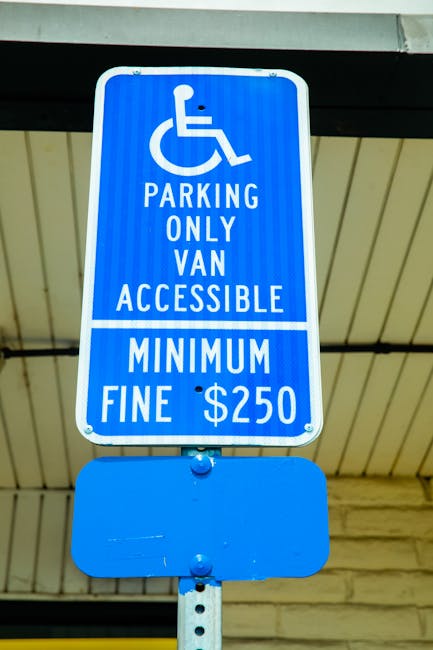
Avoid Fines: Hampton Wick Parking and Van Permit Rules
Posted on 05/07/2026

If you are planning a move in Hampton Wick, parking can become the part of the day that goes wrong fastest. One minute you are focused on boxes, sofas, and loading times; the next you are staring at a narrow street, a time-restricted bay, or a van that is just a little too close to a restriction sign. That is where Avoid Fines: Hampton Wick Parking and Van Permit Rules really matters. Get the parking side right and the rest of the move feels calmer, quicker, and far less stressful. Get it wrong and you may end up paying for the privilege, which is never a fun surprise.
This guide explains the practical side of parking and van permits in Hampton Wick, why they matter, how to plan ahead, and how to avoid the common mistakes that catch people out. It also connects the dots with loading access, route planning, flats, narrow roads, and the usual moving-day headaches, because in real life these things all blend together. Let's face it, you rarely have one problem on a moving day. You have three, and they arrive at once.
- Why it matters
- How the rules work
- Key benefits and practical advantages
- Who needs this and when it makes sense
- Step-by-step guidance
- Expert tips
- Common mistakes to avoid
- Tools, resources and recommendations
- Law, compliance and best practice
- Options and comparison
- Case study
- Practical checklist
- Conclusion
- Frequently asked questions
Why Avoid Fines: Hampton Wick Parking and Van Permit Rules Matters
Parking rules are not just a background detail in Hampton Wick. They shape the whole moving experience. The area has the sort of local streets where a van can fit, but only if you are careful. There are access limitations, permit-controlled spaces, time restrictions, school runs, commuter traffic, and the lovely little inconvenience of everyone else having the same road at the same time.
For removals, the risks are bigger than a simple parking ticket. A badly parked van can block access for neighbours, slow your loading window, and make a crew move items farther than planned. That adds time, effort, and stress. If you are moving a heavy wardrobe or a piano, or even just trying to shift a stack of boxes in the rain, that extra distance matters. A lot.
There is also the trust issue. If you are hiring help, you want confidence that the job will be handled properly and professionally. That includes how the vehicle is positioned, whether parking is arranged in advance, and whether the route has been checked for narrow sections or loading restrictions. Good moving is not only about lifting technique. It is also about not getting on the wrong side of a parking restriction sign.
For people planning a house move, a flat move, or a same-day collection, parking rules can be the difference between a smooth job and a costly delay. That is why this topic sits so closely alongside local access and parking tips near Hampton Court Palace and practical route planning for tight local roads.
How Avoid Fines: Hampton Wick Parking and Van Permit Rules Works
In plain English, the process is about matching your van, your timing, and your parking spot to the local restrictions that apply on the day. That usually means checking whether the street is controlled, whether loading is allowed, whether a short stop is permitted, and whether any permit or dispensation is needed for the vehicle or the move.
The exact rules depend on the location and the street. Hampton Wick includes roads where parking is straightforward and others where it is anything but. On some streets, a quick loading stop may be acceptable if you do it properly and stay within the relevant rules. On others, you may need to plan a permit or use an alternative parking strategy nearby. In real-world terms, the difference between those two can be huge.
Most move-day parking decisions come down to five questions:
- Can the van stop legally where you want it?
- Is the space a loading bay, permit bay, single yellow, double yellow, or unrestricted area?
- Are there time-based restrictions you need to respect?
- Will the van block traffic, driveways, or pedestrian access?
- Do you need to arrange anything in advance rather than relying on luck on the day?
If the answer to any of those is unclear, that is your cue to slow down and check properly. Do not assume the first available space is automatically fine. It rarely is.
It also helps to think about the loading pattern, not just the parking spot. For example, a van parked a little further away may be legally fine but physically awkward if you are carrying a sofa, a mattress, or a dismantled bed frame. In those cases, the best legal parking space is not always the best practical one. That is why people often pair parking planning with narrow-road loading advice for KT1 routes and other local access know-how.
Key Benefits and Practical Advantages
Doing the parking and permit side properly gives you more than just peace of mind. It can directly improve the quality of the move. You spend less time circling the block, less time arguing with the back of a van, and less time fretting about whether a ticket is about to land on the windscreen.
Here are the main benefits:
- Fewer fines and penalties: The obvious one, but worth saying plainly.
- Faster loading and unloading: A sensible parking plan reduces wasted steps.
- Lower physical strain: Shorter carrying distances make life easier for everyone.
- Better schedule control: You are less likely to drift off timetable because of parking problems.
- Less risk to belongings: Fewer awkward carries means less chance of knocks and scrapes.
- Better neighbour relations: Nobody enjoys a van blocking the road for half the morning.
There is also a subtle benefit that people underestimate: confidence. When the parking side is organised, the whole move feels more manageable. You walk in knowing the van has a place, the loading route is thought through, and nobody will be improvising in the middle of the street. That calmness matters more than people think.
If you are still in the planning stage, the wider moving process can be made easier by sensible preparation, such as the ideas in packing smarts for moving house and achieving a peaceful house move with minimal stress. Parking is only one piece of the puzzle, but it is a stubborn piece if you ignore it.
Who This Is For and When It Makes Sense
This topic matters to more people than you might first expect. It is not just for big removals trucks or professional crews. Anyone using a van in Hampton Wick can run into parking restrictions, especially if the vehicle is larger than a standard car or if the job involves more than a quick drop-off.
It is especially relevant for:
- Home movers with a van or removal vehicle
- People moving into or out of flats
- Students with limited time and tight loading windows
- Furniture collections and deliveries
- Office relocations with fixed appointment times
- Same-day moves when there is little room for delay
- Anyone moving bulky items like sofas, beds, wardrobes, or pianos
It also makes sense if you live on, or near, a busier stretch of road. Hampton Wick has plenty of spots where parking can look easy at 7 a.m. and become awkward by 9 a.m. That is the kind of detail people only learn once. Usually the hard way. A bit irritating, really.
If your move involves stairs, no lift, or a top-floor flat, good parking matters even more because every extra metre makes the job harder. For that kind of move, the planning behind moving from flats with no lift becomes even more valuable.
Step-by-Step Guidance
Below is a practical way to handle Hampton Wick parking and van permit planning without making it more complicated than it needs to be.
- Check the street and access points early. Do not leave it until moving morning. Walk the route if you can, or at least inspect it digitally and on foot. Look for signs, yellow lines, resident bays, and any obvious pinch points.
- Work out the vehicle size. A small van, medium van, and removal van are not the same thing in parking terms. What fits comfortably for one may be a nuisance for another.
- Identify where loading can happen legally. This is about more than parking. A location may allow a short loading stop even if it is not suitable for long-term parking. Know the difference.
- Decide whether a permit or special arrangement is needed. If you are unsure, arrange this before the move. Last-minute assumptions are expensive little beasts.
- Match the plan to the move type. A flat move, office move, and furniture delivery all create different pressures. A piano move, for example, needs much more precision around access and kerbside space.
- Reserve buffer time. Parking issues often eat ten minutes here and twenty minutes there. Add breathing room so the whole day does not unravel over something preventable.
- Brief everyone involved. If family members, friends, or movers are helping, make sure they know where the van is going and what the plan is if the first spot is unavailable.
- Re-check on arrival. Conditions can change. A bay may be occupied, a road may be busier than expected, or a vehicle may be parked in a way that forces a rethink.
That final re-check is easy to skip, but it saves people a lot of grief. You arrive all set, then the parking space you were counting on is taken by someone's hatchback and the day suddenly becomes less fun. Moving is already chaotic enough without that small drama.
Expert Tips for Better Results
Over the years, the moves that run smoothly almost always share the same habits: they plan parking early, they keep loading realistic, and they do not assume the street will be kind just because the weather is. Here are the tips that make a genuine difference.
- Prioritise the shortest legal carry route. Legal is essential. Short is a bonus. If you can get both, you are in a good place.
- Keep bulky items close to the exit. Bed frames, wardrobes, sofas, and appliances should be staged near the door when possible.
- Separate fast loads from slow loads. Boxes and soft goods should not be trapped behind the heavy awkward items.
- Plan around local traffic peaks. Even a perfectly legal parking arrangement can be harder to use when the street is busy.
- Protect the time window like it matters. Because it does. A five-minute overrun can have a domino effect.
- Use moving aids sensibly. A sack truck or trolley can help, but only if the route is clear and safe.
One small but useful habit is to do a quick "kerbside rehearsal" before moving day, especially if you are handling awkward furniture or fragile items. Think about where the van doors open, where the furniture will turn, and where someone can stand without blocking the footpath. It sounds basic. It is basic. And yet it saves the day more often than you'd think.
If you are packing at the same time, a little extra organisation goes a long way. The advice in cutting clutter before moving and pre-move cleaning hacks can reduce both the load and the pressure on your parking plan. Fewer items means less back-and-forth, which is exactly what you want in a built-up area.

Common Mistakes to Avoid
Most parking and permit problems are avoidable. They usually come from rushing, guessing, or assuming the rules will be the same as the last place you moved from. Hampton Wick is friendly, but it is not forgiving if you park carelessly.
- Assuming a van can stop "just for a minute". In parking enforcement terms, a minute is still a minute.
- Using a space without checking the signage. Signs matter more than gut instinct.
- Forgetting that vans are not cars. Vehicle size can change what is allowed and what is sensible.
- Leaving permit checks until the day itself. That is how last-minute stress begins.
- Blocking neighbours or dropped kerbs. Aside from being inconsiderate, it can cause complaints and delays.
- Trying to carry too much from too far away. That is where items get knocked and backs start complaining.
- Not planning for bad weather. Rain changes everything. Gloves slip, boxes soften, and every step feels longer.
Another common mistake is overestimating how much can be done in one legal stop. If the van has to be moved between loads, that can make the day messy very quickly. Sometimes it is better to spend a little more time planning the parking properly than to spend the afternoon shuttling items around in a slightly panicked way.
Tools, Resources and Recommendations
You do not need a complicated toolkit to manage parking and van permits well. You need a few practical habits and the right local awareness. Start with the basics.
- Street-by-street observation: The simplest tool is your own eyes. Signs, bay markings, and access issues are usually obvious if you slow down.
- Route notes: Write down the exact entrance, any one-way sections, and the likely place to stop.
- Vehicle details: Know the van size, height, and loading needs before you set off.
- Move-day timetable: Even a rough plan helps everyone stay calm.
- Load order list: Prioritise items by size, fragility, and how awkward they are to carry.
If you are moving larger or awkward items, it is also worth thinking about the handling side of the job, not just the parking side. The guidance in kinetic lifting basics and heavy lifting made simple is useful when you want the move to stay safe and controlled. Parking affects how much lifting you do, so the two topics really belong together.
For people organising a broader move, it can also help to review the full service picture at services overview, especially if you need support with a van, labour, or more specialist handling. And if you are weighing costs, a clear look at what to check in removal quotes can stop a parking-related delay from turning into a budget headache.
Law, Compliance, Standards, or Best Practice
Parking enforcement in the UK is not something to treat casually. The exact rules in Hampton Wick will depend on the street, the bay type, the time of day, and the local restrictions in force. As a practical rule, you should always treat signs, bay markings, and any permit requirements as the final word for that location.
Where van loading or waiting is involved, best practice is to behave as if an enforcement officer may review the situation at any time. That means staying within the permitted time, not leaving the vehicle in a way that blocks access, and not assuming that hazard lights make a restriction disappear. They do not, inconveniently enough.
For removal work, good practice also includes safe loading, sensible route planning, and clear responsibility for who is checking the parking side. If you are using professional help, ask how they approach access planning and vehicle positioning. A reputable mover should be able to talk through the basics in plain English, without making it sound like a secret handshake.
Compliance is not only about avoiding fines. It is also about keeping the move safe and orderly. If the job involves valuable items, fragile furniture, or shared access spaces, you want a company that treats parking and loading as part of the risk management, not an afterthought. You can see that approach reflected in pages like health and safety guidance and insurance and safety information.
Options, Methods, or Comparison Table
There is no single perfect parking strategy for every move. The best choice depends on the property type, the road layout, and how much you are moving. Here is a simple comparison to help you choose the right approach.
| Approach | Best for | Strengths | Trade-offs |
|---|---|---|---|
| Closest legal loading spot | Large furniture, short moves, heavy items | Reduces carrying distance and physical strain | May be limited by availability or restrictions |
| Pre-arranged permit or dispensation | Planned removals in controlled streets | More certainty and better control over timing | Needs advance planning and careful checking |
| Nearby unrestricted parking | Smaller moves or flexible schedules | Can be easier to secure at short notice | Longer carrying route and more fatigue |
| Split loading strategy | Very busy streets or complex access | Allows careful staging and flexible unloading | Can take longer and needs good coordination |
For many Hampton Wick moves, the split-loading approach works better than people expect. One van position may be ideal for the heavier items, while a second short stop or staged carry handles the smaller boxes. It is a bit more effort on paper, but in practice it often keeps everyone calmer and avoids the "why did we park that far away?" moment.
Case Study or Real-World Example
Here is a realistic example from the kind of move that happens all the time. A couple were moving out of a first-floor flat in Hampton Wick into a house a few streets away. They had a sofa, a bed, several boxes, and a bulky chest of drawers. At first, they planned to park as close as possible and just "see what happens".
That would probably have gone badly. The street was narrow, the available space was already partly used, and the entrance was busier than they expected by mid-morning. Instead, they checked the route in advance, identified a legal loading point, and staged the move so the heaviest items came out first. The van stayed in a legal position, the carrying distance stayed manageable, and the whole job finished without any parking drama.
The part people often miss is this: the parking choice made the move feel easier, not just safer. Fewer trips. Fewer awkward turns. Less shouting across the road. A more settled day overall. That is the real value.
They also cut back on non-essential items before moving, which helped more than they expected. A bit of decluttering and item sorting, like the approach discussed in cutting clutter before a move, meant less volume to handle at the kerbside. Small decision, big payoff.
Practical Checklist
Use this checklist before moving day. It is simple, but it catches a lot of the avoidable mistakes.
- Confirm the moving date and time window.
- Check the road layout and parking restrictions on the exact street.
- Identify where the van can legally stop.
- Confirm whether a permit, dispensation, or short loading stop is needed.
- Measure or at least confirm the van size.
- Plan the load order for heavy and fragile items.
- Make sure entrances, hallways, and stair routes are clear.
- Brief anyone helping with the move.
- Allow extra time for parking, loading, and traffic.
- Keep a backup plan in case the first parking option is unavailable.
- Check for bins, driveways, and access points that might be blocked.
- Reconfirm the plan on arrival before unloading anything.
If you are moving items into storage as part of the job, it can also help to sort and protect them properly beforehand. The guides on storage in Hampton Wick and preserving sofa quality in storage are useful if your move is not going straight from A to B. And if you are dealing with appliances, the advice on proper freezer storage is worth a look too.
Get a free quote today and see how much you can save.
Conclusion
Parking and van permit rules might not be the glamorous part of moving, but they are one of the most important parts if you want to avoid fines and keep the day under control. In Hampton Wick, a little advance planning goes a long way. Check the street, understand the loading restrictions, think about the vehicle size, and choose the safest legal option rather than the easiest-looking one.
The good news is that once you get this side of the move right, everything else gets easier. The lifting feels lighter, the timings feel more manageable, and the whole job has a better rhythm. That is especially true for larger moves, flat moves, and awkward local streets where one missed detail can slow everything down.
In the end, good moving is a bit like good parking: quiet, tidy, and done with enough care that nobody notices the stress behind it. And honestly, that is the best result you can ask for.